
A Heavy Glance
| Title: | Close |
| Watchable: |  |
| Director: | Lukas Dhont |
| Writers: | Lukas Dhont, Angelo Tijssens |
| Lead Performances: | Eden Dambrine (Léo), Gustav De Waele (Rémi), Émilie Dequenne (Sophie) |
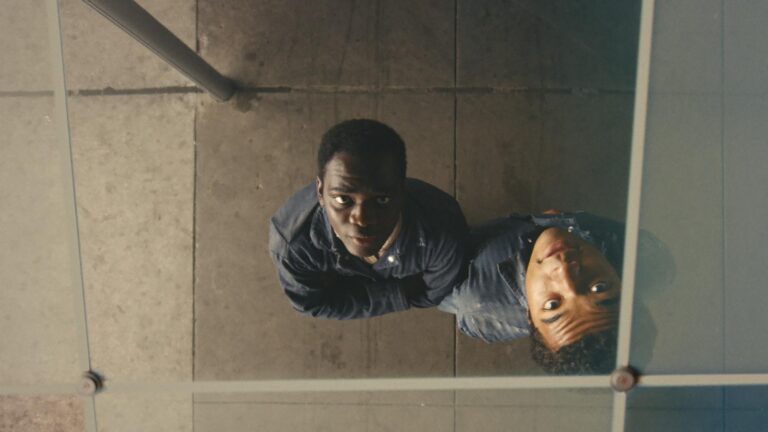
The camera shows Léo's face for a prolonged moment during Close as he observes Rémi sleeping next to him which reveals all the unspoken emotions that thirteen-year-old boys should not experience. The movie shows how young people face danger through their need for affection during their most vulnerable time. The film demonstrates how teenagers become vulnerable to danger because they need protection during their most defenseless stage before they require love.
The second film by Lukas Dhont presents two teenage boys who share an intense bond which makes adults feel uneasy. The boys dedicate their time to running through flower fields while they exchange secrets and take breaks together like puppies. Rémi asks Léo in the beginning of the movie if they are together which reveals the complete depth of their relationship. The start of school brings new students who start to notice the boys. The students ask about their relationship status but they use different tones which create different interpretations of their question. Léo starts to measure the distance between their bodies while he tracks their physical contact and monitors their eye contact duration.
The film Close shows the exact moment when outside criticism turns personal facts into false beliefs which creates its most destructive effect. Léo begins to pull away from Rémi because he believes their friendship is unacceptable to society even though both boys remain confused about what exactly is being rejected. The process of learning gender performance starts before people understand what they are doing while external control begins before they recognize existing rules.
The film builds its emotional base through the slow accumulation of tiny acts of deception. The boy receives a negative response to his request for company. The boy takes a different seat on the bus than his friend. Léo joins the ice hockey team because this sport offers him suitable methods to interact with other male athletes. The physical changes in Eden Dambrine's Léo performance show his body transforming into a more rigid and square shape while his hands lose their ability to touch others. Gustav De Waele watches Léo transform before him as his confusion turns into deepening pain which becomes too difficult to express.
The filmmakers Dhont and Tijssens choose to avoid defining the nature of the boys' relationship because they want to focus on the destruction of pure love by social norms. The film presents love as its main subject instead of defining its nature because love exists as a natural state which society destroys through its social norms. After the main tragedy Léo sits with Rémi's mother Sophie who tells him "You were always together" using the past tense.
The film demonstrated how society makes people conceal their vulnerable moments because it supports self-reliance. The development of masculinity depends on creating physical and emotional gaps between people and their emotions and their authentic selves. The film indicates that these distances between people can become permanent and unfixable. Unbridgeable.
Léo watches Rémi rest while his face shows uncontrollable emotions which he has not learned to hide.